Meals on Wheels, Allied Services partner to improve meal program
By ROBERT TOMKAVAGE | rtomkavage@scrantontimes.com | The Times-Tribune
PUBLISHED: November 10, 2026 at 3:07 PM EST | UPDATED: November 10, 2026 at 4:29 PM EST
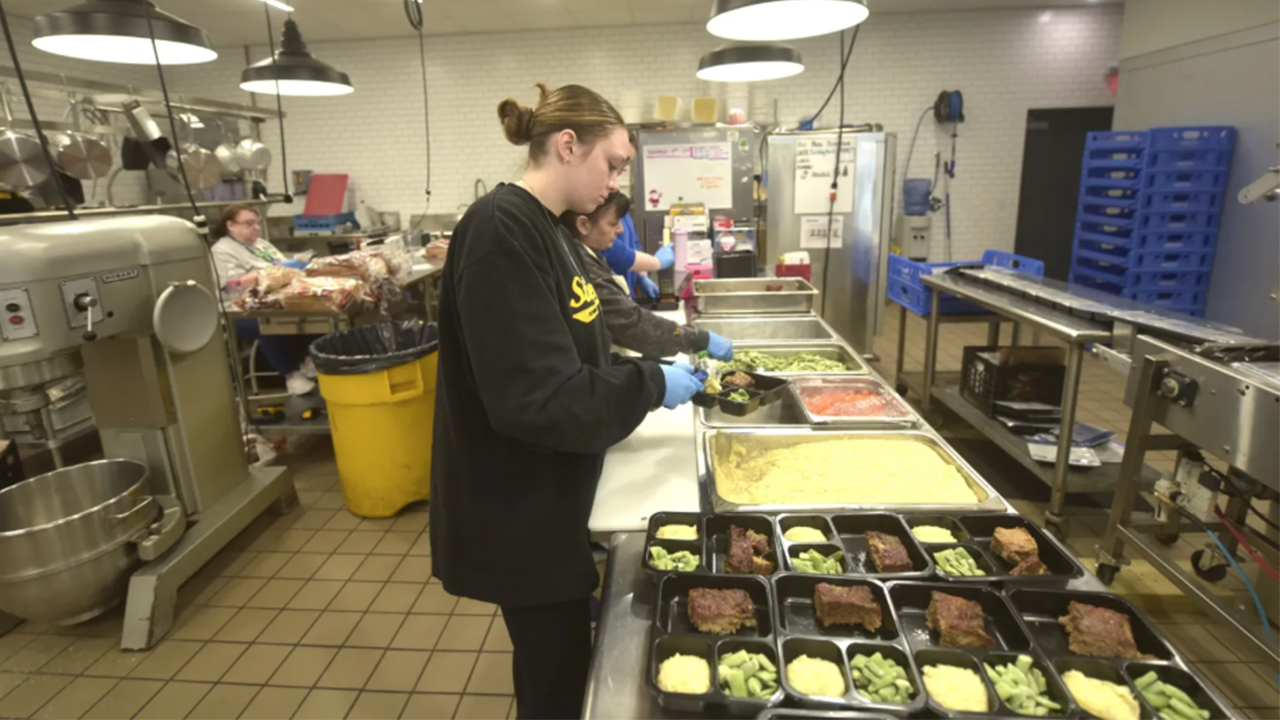
A new partnership between Meals on Wheels NEPA and Allied Services will boost a local program that distributes free meals to patients returning home from healthcare facilities.
The Fast Track program, launched by Meals on Wheels about 15 years ago, which provides up to 20 nutritious meals to adults, serves as a vital resource for adults after being discharged from hospitals, nursing homes or rehab center and the collaboration with Allied with allow the nonprofit to reach more people, said Bella Capoccia, director of development for Meals on Wheels NEPA.
“Not only are we finding new patients and new clientele, but the general public is becoming more aware that this is a service we provide and they’re looking to help, whether that’s volunteering or making a donation,” Capoccia said.
Capoccia cited a Duke University study, published earlier this month, that found hospital readmission dropped by 69% among 360 adults, age 60 or older, who were provided home-delivered meals following their discharge from its hospitals.
“The meals are really crucial for those vulnerable community members who might not have the support system to get the nourishment or the security they need to heal properly,” she said. “Not only are we delivering meals, but we’re checking on the individual. We’re making sure there are no physical, visible complications or issues that we’re seeing. Our drivers know what to look out for and they can really get a feel for what’s going on. We can alert the emergency contact if something’s gone wrong and ensure that person is safe and healing.
“For a lot of these individuals, their children have moved to different cities or they don’t have any other family nearby. We’re providing that first line of defense and bringing that sense of safety and comfort to not only the client but the client’s family because they know there is somebody checking on them everyday.”
All Fast Track meals distributed throughout November are being sponsored by Allied Services and Capoccia noted Allied will remain active in the program in other ways.
“We have many volunteer opportunities they’re helping us with, so the partnership has really been beneficial,” she said.
Jim Brogna, senior vice president for strategic partnership development for Allied Services, also recognized that programs like Fast Track have a proven track record of success.
“When you think about acute care hospitals, there are penalties for readmission, and there is scrutiny if we discharge somebody too early,” he said. “We did what we thought was right and when we did the team visit the other day it was so fulfilling for everybody to learn how well the Meals on Wheels program is organized and planned. But then when you see healthcare statistics that back up it up, it just validated the importance of the partnership.”
The partnership is part of Allied’s CARES Program which provides support for some of its 2,700 employees in crisis, as well as extending into the community with volunteer support and advocacy for other nonprofits.
“In the last year-plus, we introduced an initiative that was primarily driven at our internal employee needs,” Brogna said. “Now, we’re incentivizing our employees to volunteer by providing them a match of paid time off to engage in more of these community initiatives.”
Specifically, many Allied employees will assist Meals on Wheels staff with the Thanksgiving meal preparation on Nov. 25, he said.
Allied’s contribution also allow Meals on Wheels to expand the scope of its Fast Track program to additional counties in the region, Brogna said.
“It’s one of the more significant nonprofit collaborations we’ve explored in recent years,” he added. “When you think about the food insecurity people are dealing with this past year-plus, and coupling it with the fact that we realize that whether the individuals are leaving our rehab hospitals, one of our skilled nursing facilities, or a hospital in the community, one of the biggest challenges in going back home independently is having meals — whether they can prepare them for themselves or they have someone at home that can support that.”
Brogna believes there may be opportunities to further enhance the program as other healthcare systems expressed interest in joining the partnership.
“I don’t see this program diminishing, I just see it growing,” he said.